- Control calories and carbohydrates
- Eat meals and snacks at regular set times
- Eat foods low in fat such as fruits, vegetables, lean meats, fish, low-fat dairy products and whole grains
- Fruit contains many nutrients, but it also contains carbohydrates — limiting fruit to 3-4 servings each day is ideal, and whole fruits are best
- Limit high-fat foods such as potato chips, ice cream, cheese, bacon, sausage, butter, donuts, oils, mayonnaise and some salad dressings
- Broil, bake, boil or grill food; avoid frying
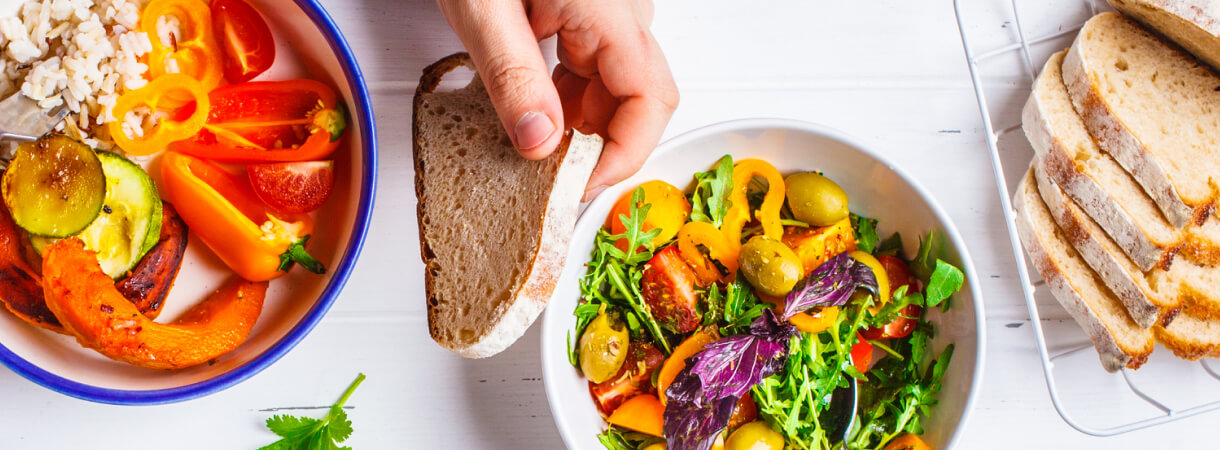
- Eat more vegetables, cooked or raw — focus on non-starchy vegetables, such as spinach, salad greens, cauliflower, broccoli, brussels sprouts, asparagus, tomatoes, celery or zucchini instead of starchy vegetables like corn and potatoes
- Choose whole foods over highly processed foods
- Minimize added sugars and refined grains such as soda, juice, white bread, white rice, white pasta and white flour
- Drink more calorie-free drinks like water, unsweetened tea or diet soda
- Eat sweets in small portions and on a limited basis
- Caution: some “diet” foods may be high in fat and calories, so be sure to read the label

General dietary guidelines
- Jun 5, 2020
Related Posts