Within the first 3 months, if your blood glucose levels and your A1C are still higher than your goal, your doctor may increase your dose or add a second medication.
There are many different medicines your doctor may prescribe. The choice will depend on many things including your weight, other health conditions, or level of comfort giving yourself a shot.
- If your blood sugar levels are still high but your A1C is close to the goal (generally between 7 and 8.5%), a second oral medication might be added.1
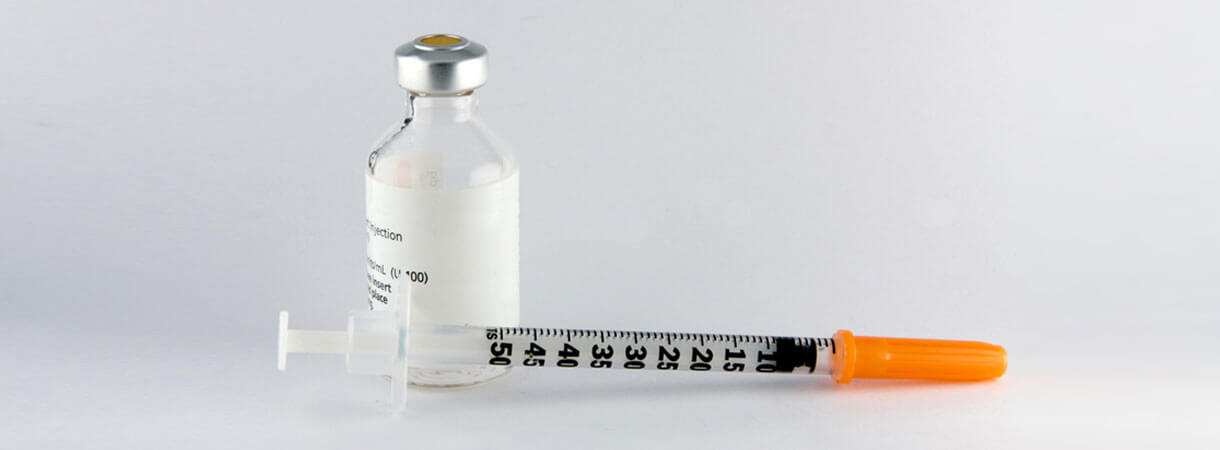
- If your A1C is higher than 8.5%, your doctor might recommend insulin (usually as a single daily injection) or a glucagon-like peptide-1 (GLP-1) receptor agonist (a daily or weekly injection).1
The following are some medications your doctor may prescribe:1
- Sulfonylureas
- Dipeptidyl Peptidase- 4 (DPP-4) Inhibitors
- Sodium-glucose co-transporter 2 (SGL2) inhibitors
- Meglitinides
- Thiazolidinediones
- Alpha-glucosidase inhibitors
- Glucagon-like peptide-1 (GLP-1) agonists
- Insulin2
Sources:
1Wexler DJ, Nathan DM, and Mulder JE. Patient education: Type 2 diabetes: Treatment (Beyond the Basics). UpToDate. Wolters Kluwer, 2020
2Wexler DJ, Nathan DM, and Mulder JE. Patient education: Type 2 diabetes: Insulin Treatment (Beyond the Basics). UpToDate. Wolters Kluwer, 2020