Home Essentials Supplies from Medline at Home
Caring for your loved ones at home while keeping the house stocked and clean can be challenging, but having the right equipment and supplies on-hand can make all the difference. From convenient overbed tables and sturdy transfer benches to everyday household staples like toilet paper, paper towels, and snacks, our ever-growing assortment of home healthcare supplies has what you need to confidently care for your loved ones. Shop now for new go-to items you didn’t know you needed, like the Medline Rectangular Plastic Washbasin or the Medline Insulated Carafe. Also find hospital-quality home caregiver supplies like post-op kits, emesis bags, bedpans, suture and syringe trays, Medline Ultrasound Gel, and more alongside must-have medical equipment like IV poles, exam lamps and bed rails.
Need to stock your cleaning cabinet? We have you covered with our assortment of the same cleaning supplies we source to hospitals and doctors’ offices, including disinfectant wipes, absorbents, dish soap, trashcan liners, and mops. Shop now for these must-have at-home healthcare picks and enjoy day-saving convenience and peace of mind.
Read on to find answers to commonly asked questions about home health care and home health care products that can help.
What is home health care?
Home health care is a wide range of health care services that allow a person to live safely at home while receiving assistance. This can be short-term care following an injury or surgery, or long-term care to help a senior or someone with a chronic illness or disability
What is a caregiver?
Caregivers are people who provide assistance with a variety of tasks, from meal prep to medication management to housework to medical care.4 Caregivers can be family members and friends, or hired professionals such as nurses, aides, and therapists that help provide short-term or long-term care.
Who uses home health care?
Home health care can provide support to people who are aging and need assistance to live independently, people with chronic illnesses or medical issues, or individuals with special needs or a disability.2
What are different types of home health care?
There are limitless forms that home health care can take depending on an individual’s needs, but there are some common forms home health care can take: Doctor care, nursing care, physical, occupational, and speech therapy, medical social services, care from home health aides, homemaker or basic assistance care, companionship, nutritional support, and pharmaceutical services.
What services does home health care provide?
Home health care is not one size fits all. The services someone receives depends on their needs. For some, caregivers involves helping with daily household tasks, providing transportation, and managing medications and nutrition. For others, home health care involves skilled care for wounds or illness management.
Caregiving can include wound care, intravenous or nutrition therapy, injections, monitoring serious illness and unstable health status. Some caregivers monitor diet, check blood pressure, temperature, heart rate, and breathing, manage prescriptions and other treatments, as well as monitor pain level. Caregivers also help patients communicate with their doctors and other care providers, and vice versa.2
What are examples of home health care products?
Whether for short- or long-term care, there are several categories of supplies that are useful to have in the home. These categories include medical and nursing supplies, incontinence care and toileting supplies, skin and wound care supplies, personal hygiene and grooming supplies, nutrition and hydration supplies, and infection control and prevention supplies.3
What supplies do caregivers need?
The specific supplies of a home health care provider depends on the needs of the patient. With that being said, facial tissues, cleaning wipes, gloves, and a first-aid kit are staples that are good to have on hand at all times. Cleaning supplies are a must as well to help with day-to-day cleaning as well as body fluid spill clean-up.
Finding the appropriate supplies for a patient depends on learning more about their health needs. If you are providing care for a diabetic person, for example, it is important to have access to gloves, insulin syringes and pumps, blood lancets and blood sugar meters, a sharps biohazard needle container, and more.
References
1. Johns Hopkins, “Types of home health care services”
Accessed on Sept. 21, 2021
2. Medicare, “What’s home health care?”
Accessed on Sept. 17, 2021
3. Family Caregiver Alliance, “Caregiving at home: a guide to community resources”
Accessed on Sept. 22, 2021
4. Johns Hopkins Medicine, “What is a caregiver?”
Accessed on Sept. 23, 2021
5. WebMD, “What diabetes supplies will I need?”
Accessed on Sept. 23, 2021

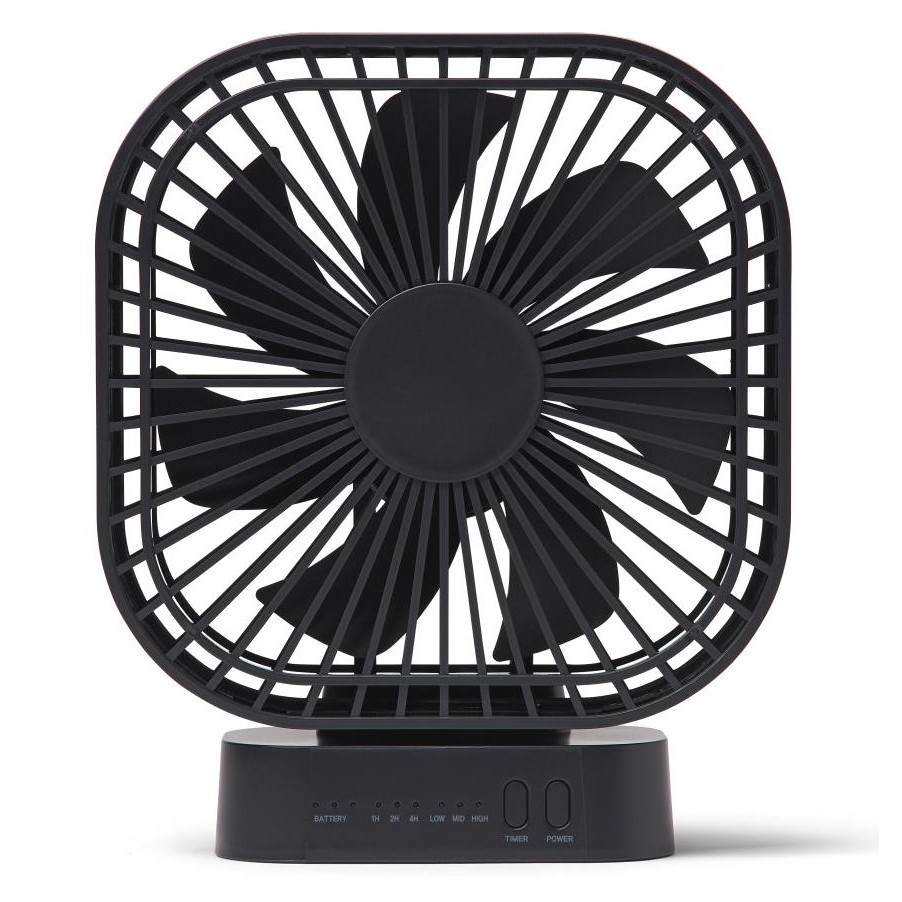 Air Quality & Ventilation
 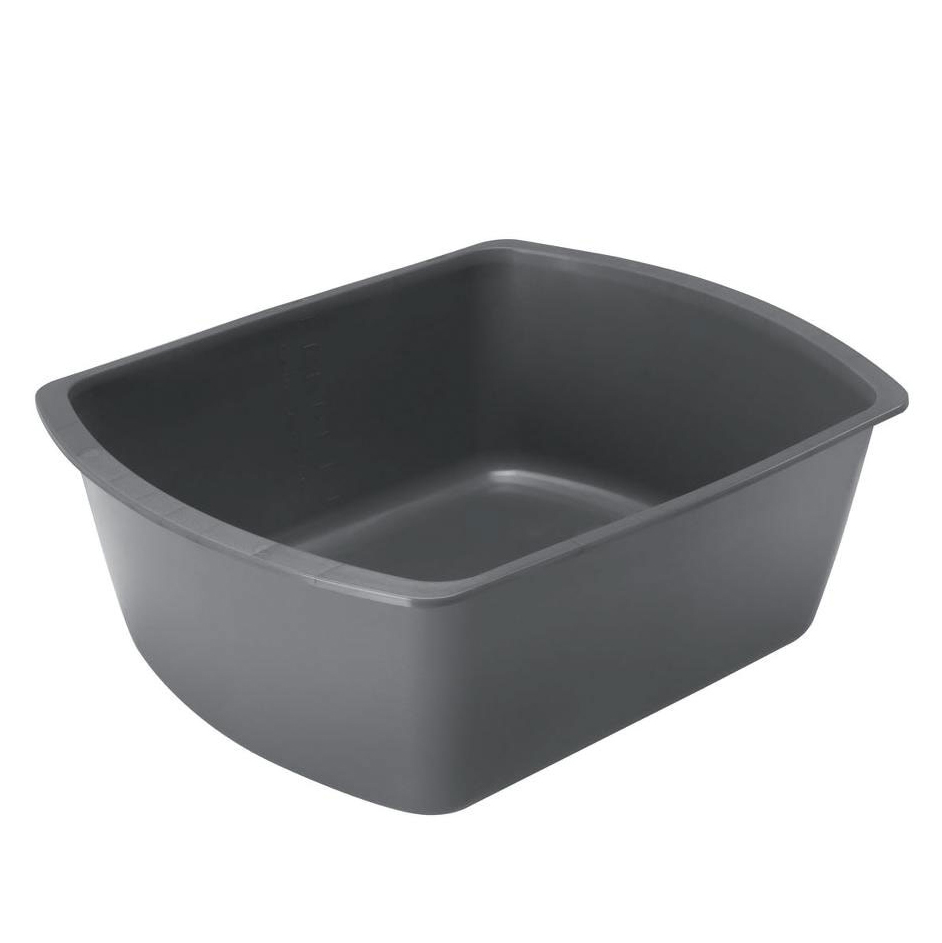 Bathroom Essentials
  Batteries
  Cleaning Supplies
 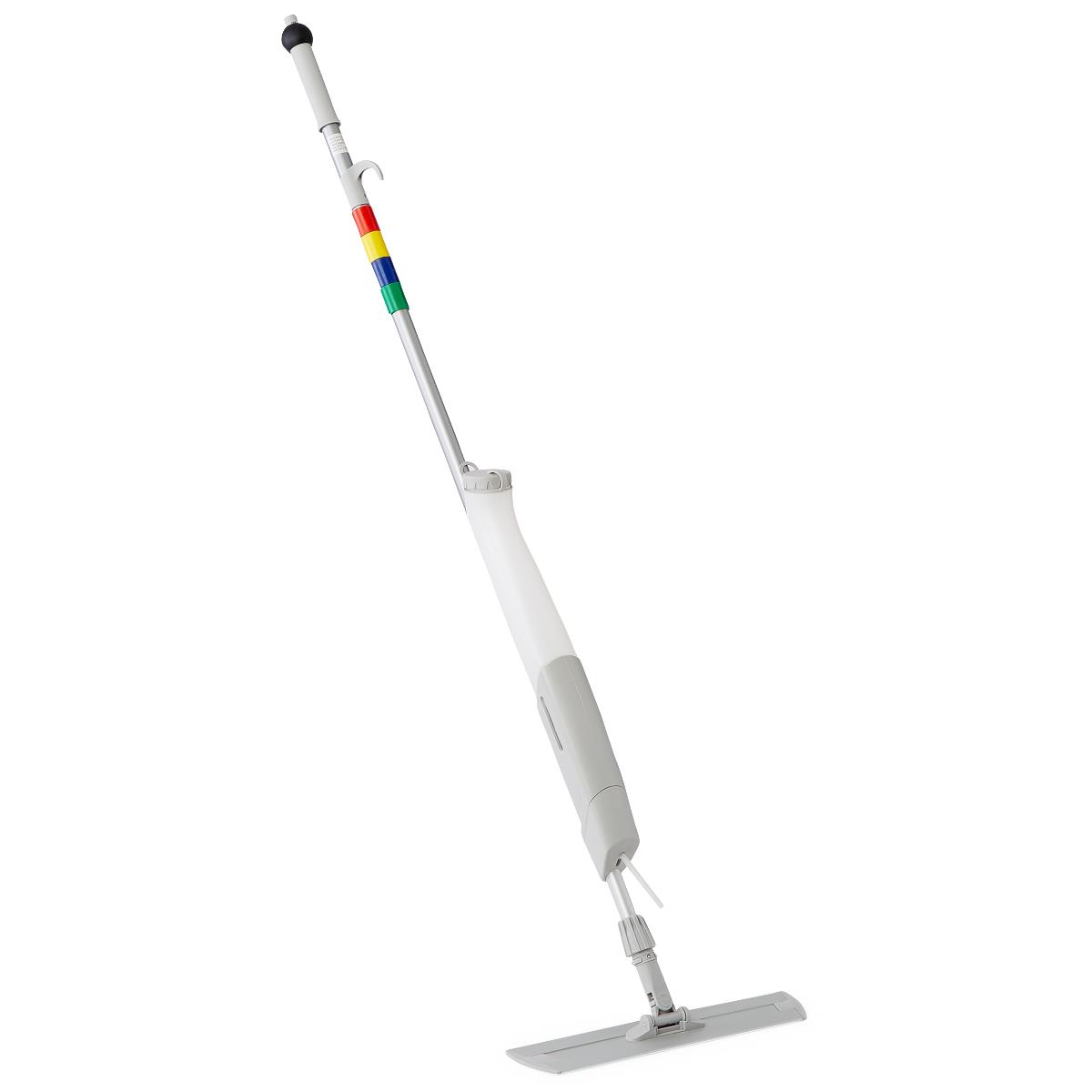 Cleaning Tools
 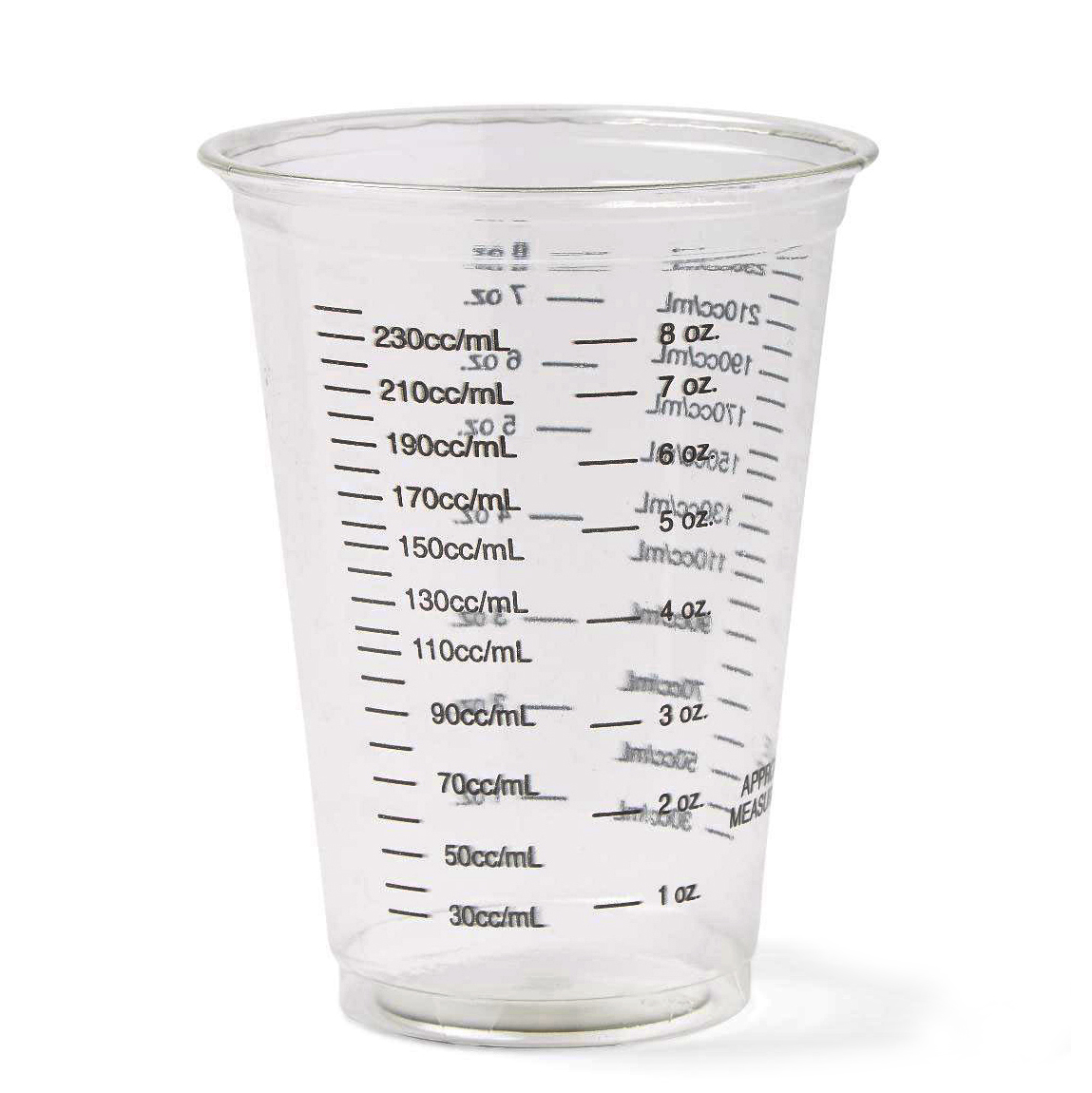 Kitchen & Dining
 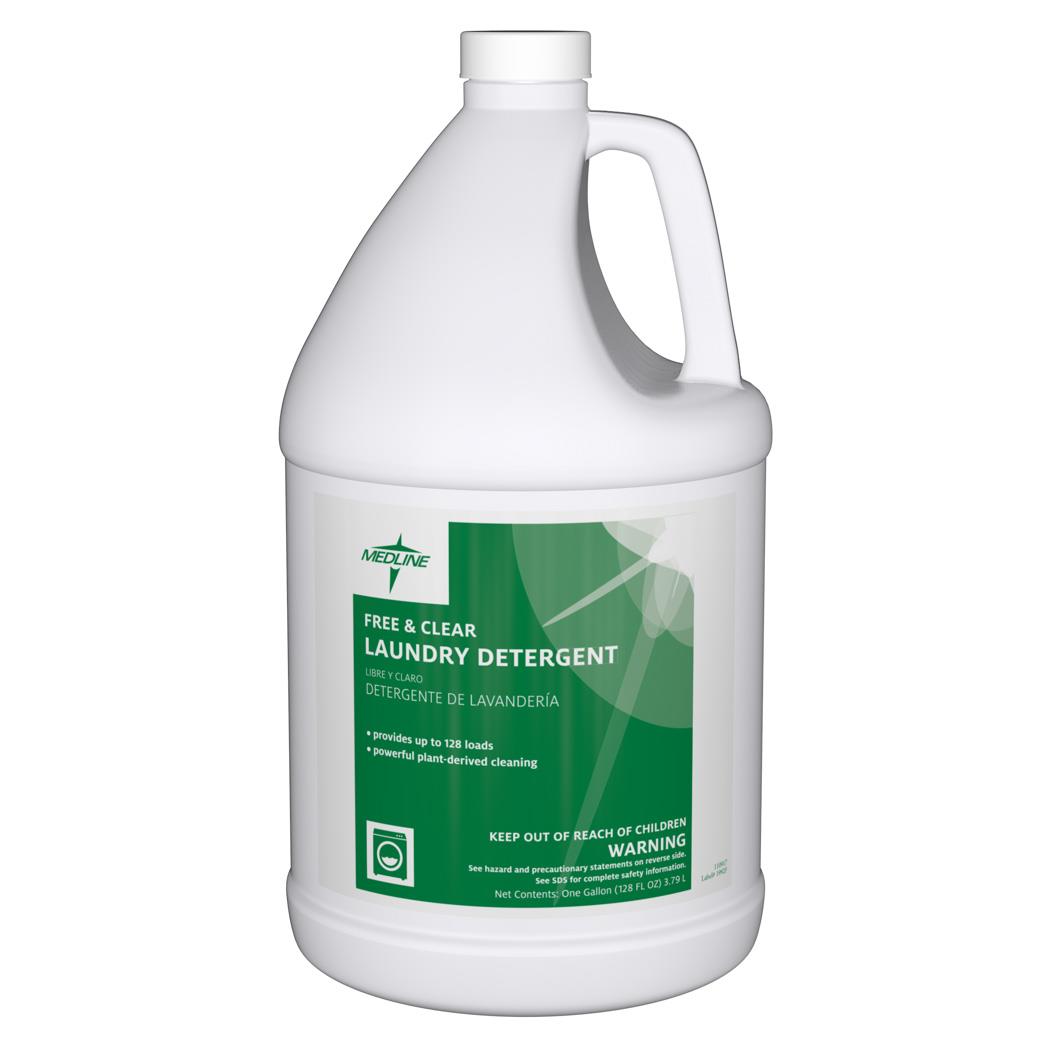 Laundry Care
 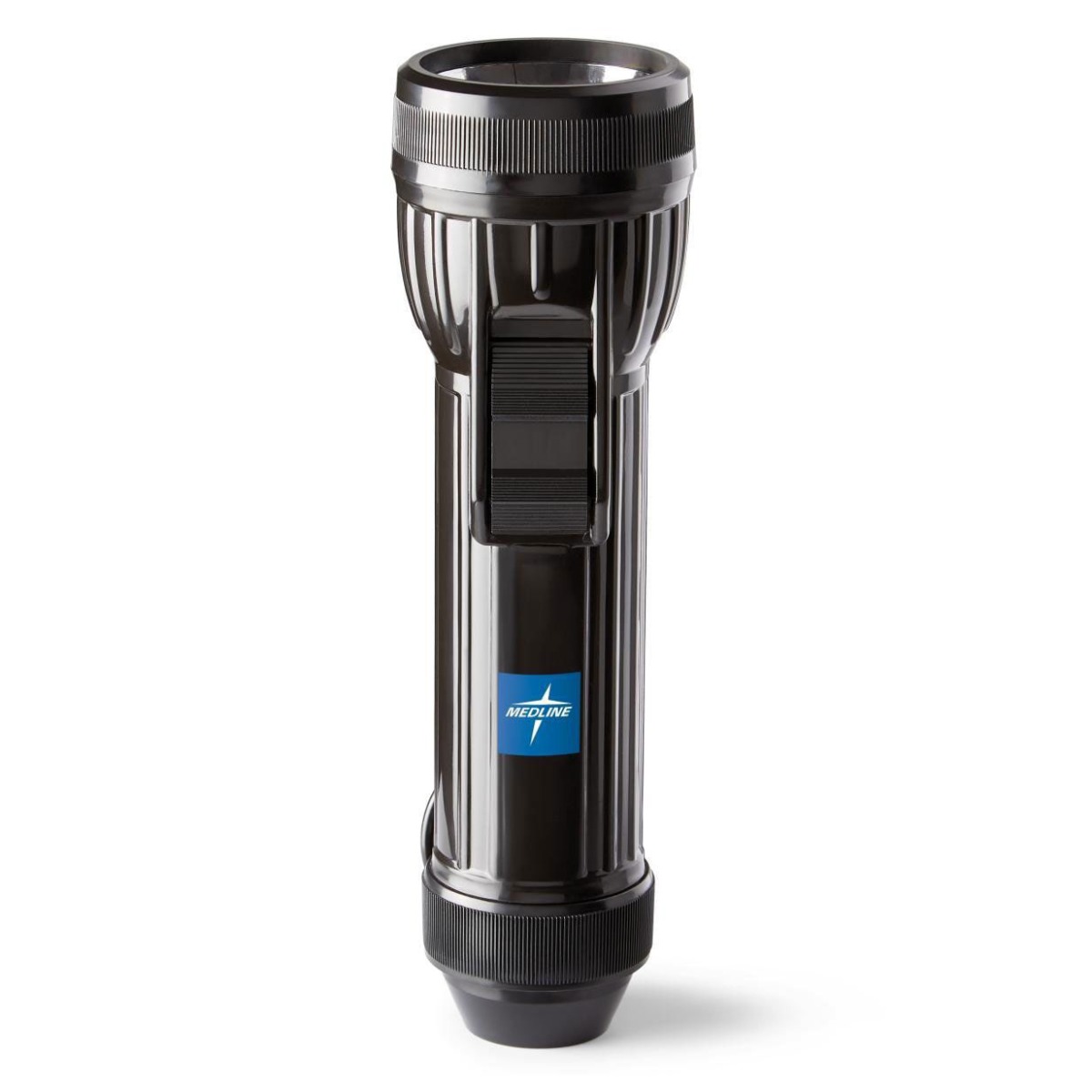 Lighting
  Office Supplies
 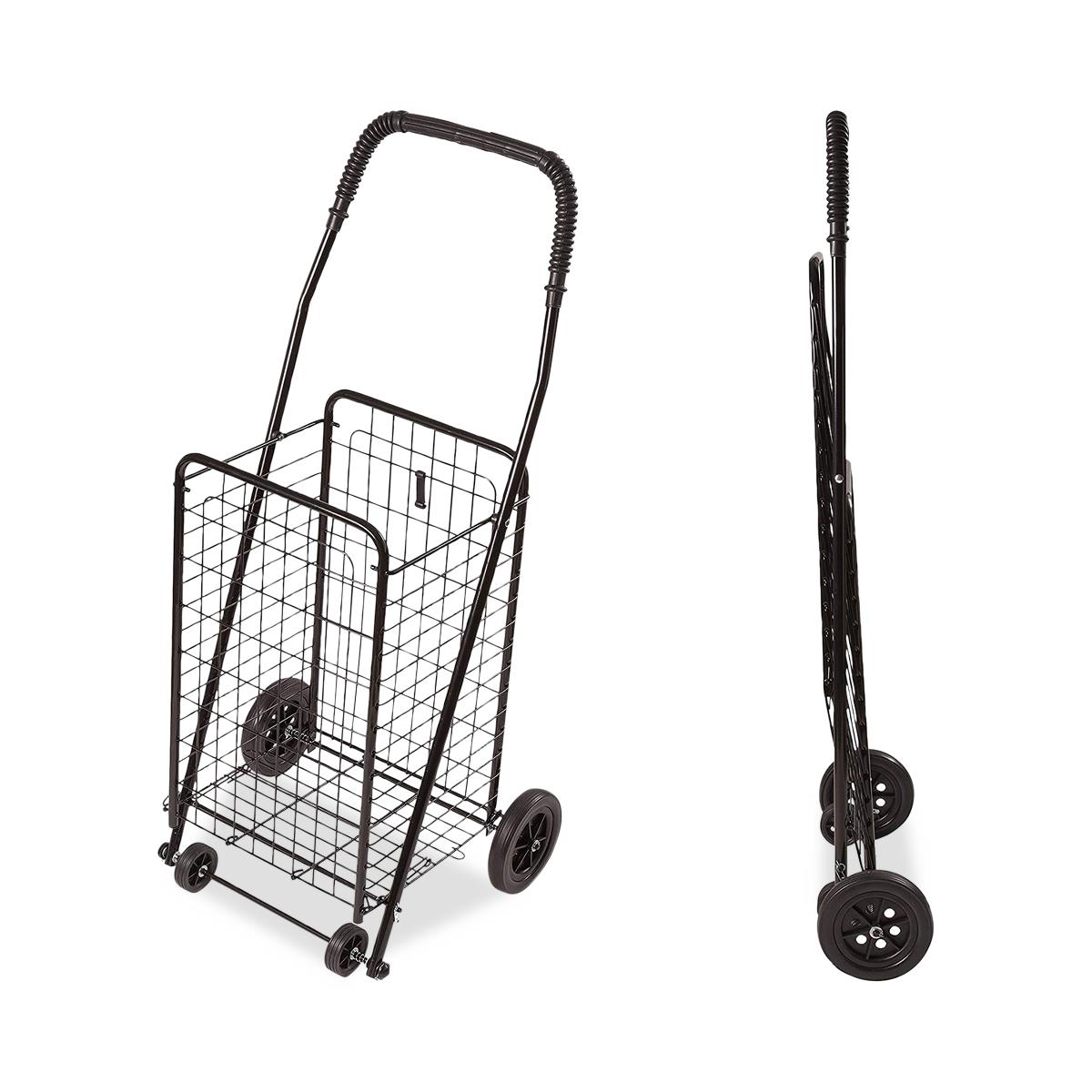 Organization & Storage
  Outdoor Care
  Paper Goods
  Sleep Aid Devices